Latest News
Embracing Renewable Energy Mindfully
For this year's Earth Day, the theme is 'Our Power, Our Planet', and we're thinking about the link between renewable energy and conservation.
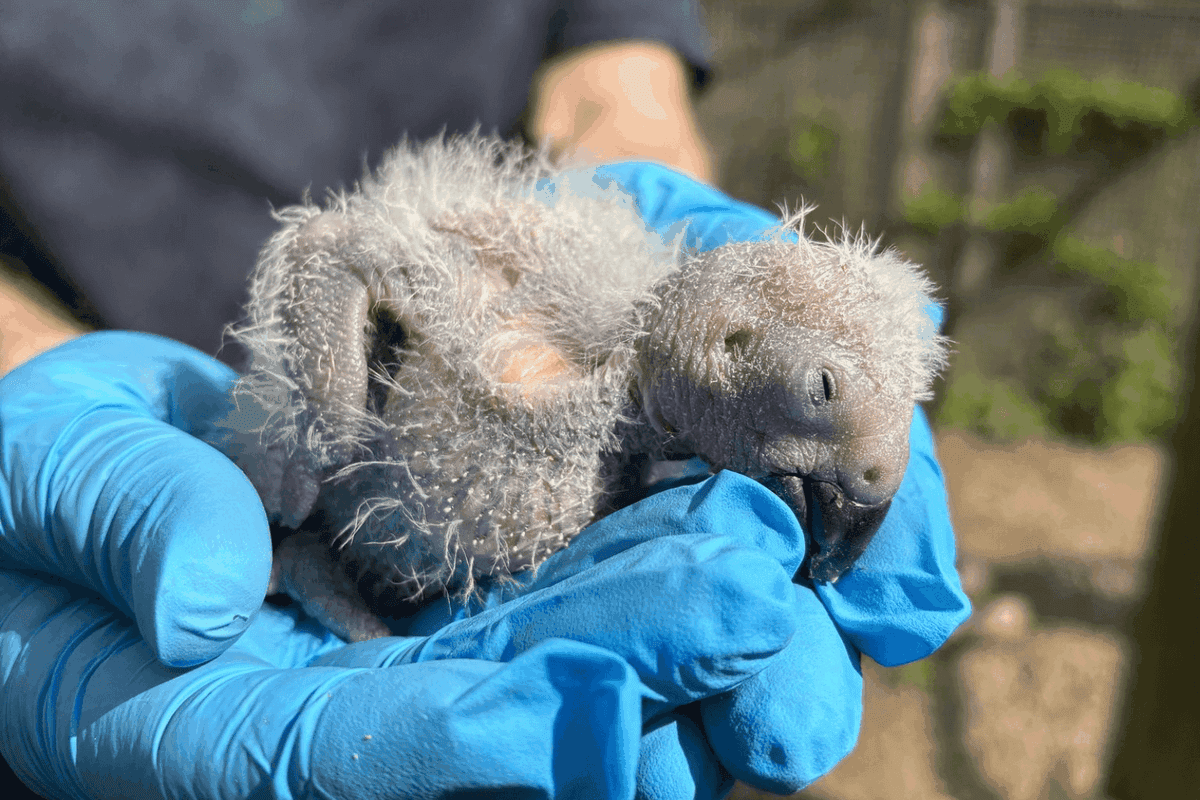
Three rescued endangered parrots hatch!
A trio of African grey parrots have hatched at Bristol Zoo Project after their parents were rescued from the illegal pet trade.
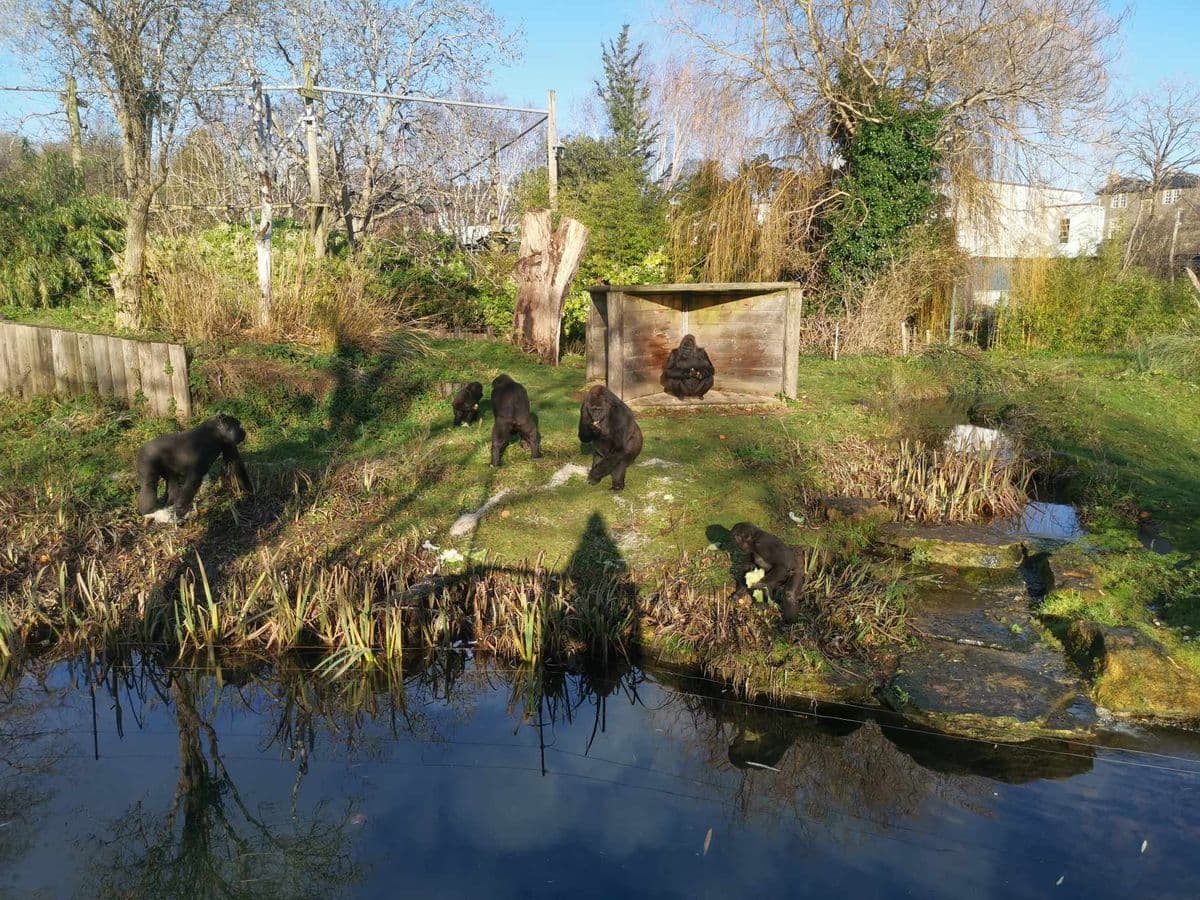
The fascinating behaviour of our gorilla troop
From posturing to vocalisations and even dressing up, there are many ways our gorillas choose to display their mood and emotions.

Join our great South West and Wales egg hunt!
We're partnering with tourist attractions from across the South West and Wales to stage one of the biggest Easter egg hunts of the year!
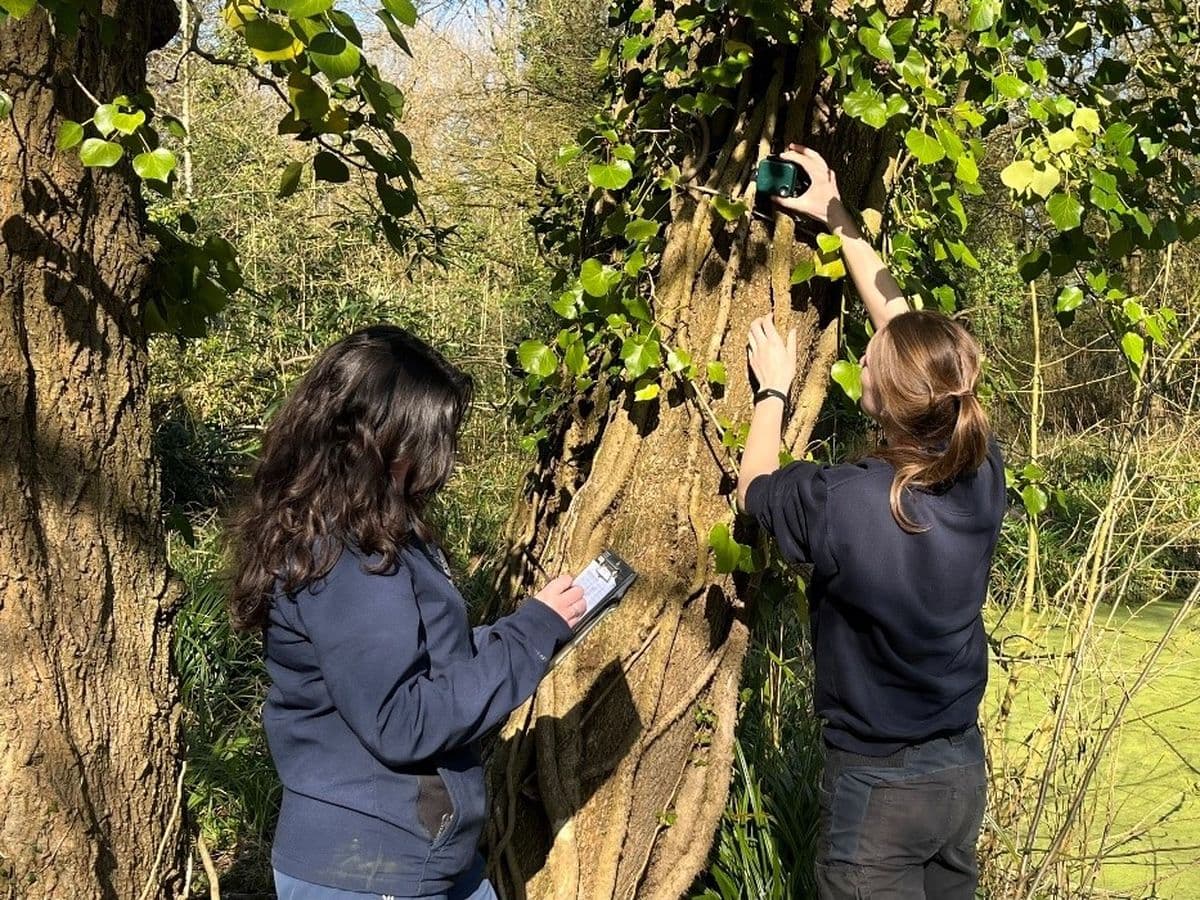
Using cutting-edge technology for species monitoring
We've been using Passive Acoustic Monitoring (PAM) devices to monitor the diversity of bat and bird species at Bristol Zoo Project.

Progress on the African Forest habitat!
The moat has been excavated and the steel frame of the gorilla house completed, ahead of opening next year.

An update on our Pay What You Can offer
From today, all Pay What You Can visits must now be pre-booked to ensure everyone visiting with the offer has the best possible experience.

Restoring our waterways through the AQUA campaign
AQUA began as a regional pilot trial and has expanded nationally, delivering biosecurity and awareness to over 30,000 water users.

Sarah Gedman: An influential force to be reckoned with
BIAZA’s Woman of the Year Award nominee, Sarah Gedman, shares advice for those looking to work within the zoo industry.

Praise for our animal welfare and conservation work
We're thrilled that Bristol Zoo Project has been recognised for its high standards of animal welfare, conservation, education and research.
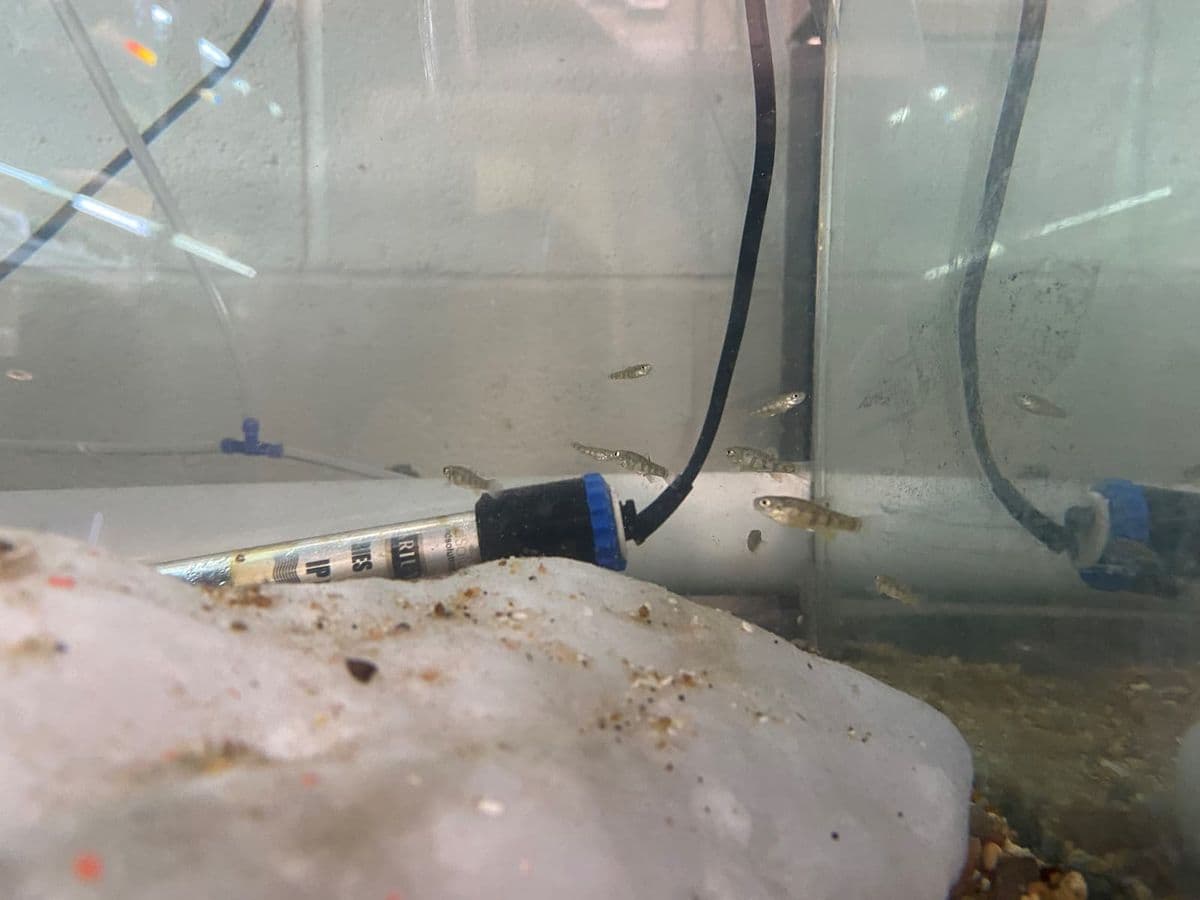
Helping to save Mexican pupfish from extinction
Our ectotherm keepers have helped to hatch 29 boxer pupfish eggs, as part of efforts to safeguard the Extinct-in-the-Wild species.

A trip to Frankfurt Zoo by Primate Keeper Gareth
We recently visited Frankfurt Zoo to learn about mixed-species gorilla and mangabey habitats ahead of our African Forest opening.
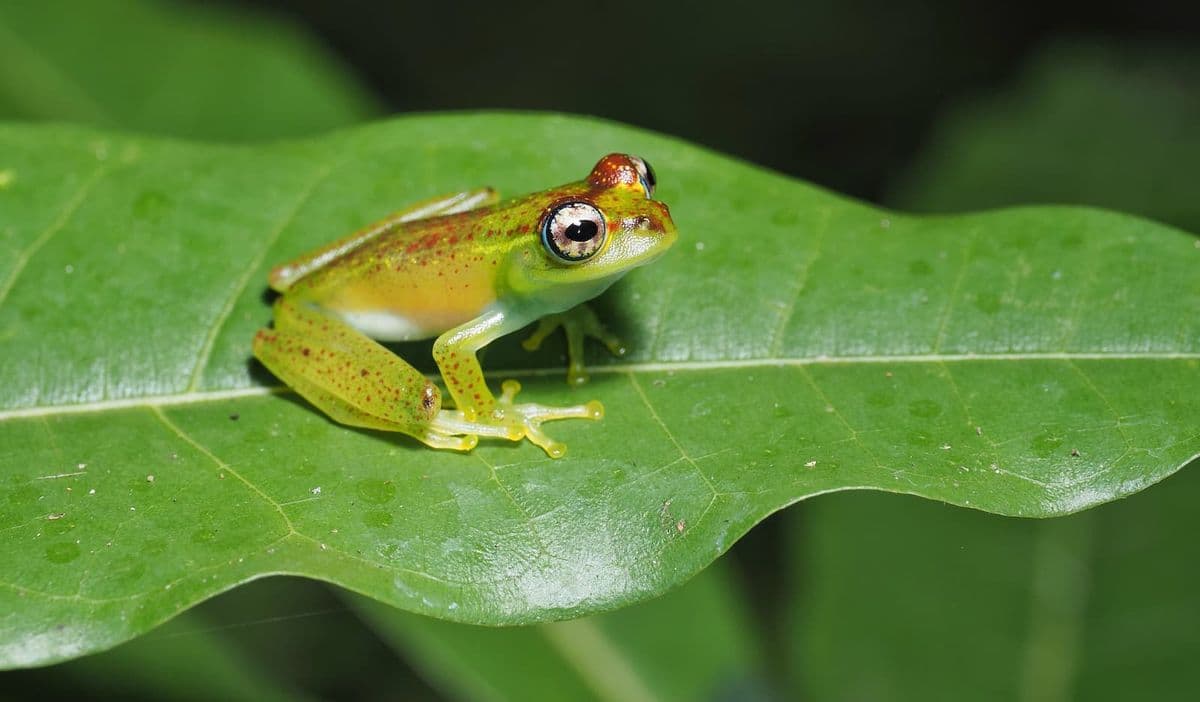
Species Spotlight: Ankarafa skeleton frog
Our final blog in our Reverse the Red series is focused on the Critically Endangered Ankarafa skeleton frog.
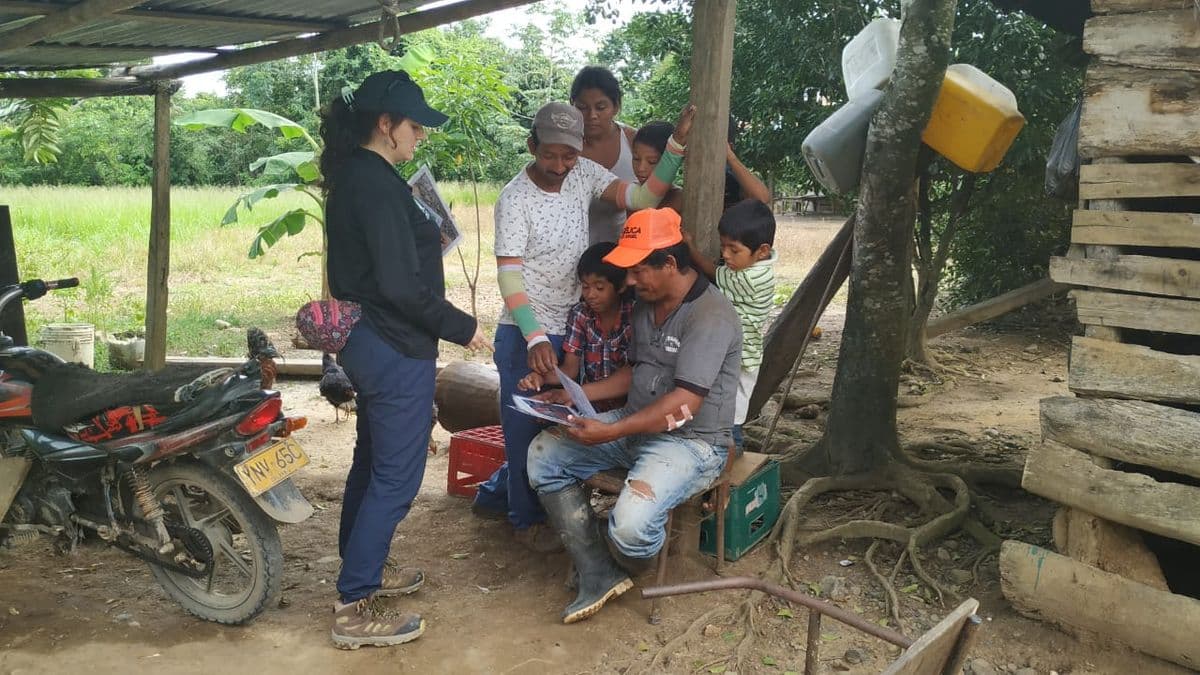
From student to alumni to lecturer
Our new Lecturer in Conservation Science, who previously studied with the Society, shares how she navigated into a career in conservation.

Saying goodbye to Tom the giraffe
We are deeply saddened to share the news that Tom, one of our male reticulated giraffe at Bristol Zoo Project, has died.

Sale contracts exchanged on old zoo site
We have exchanged sale contracts on the old Bristol Zoo Gardens site in Clifton, but legal battle prevents release of vital funds.
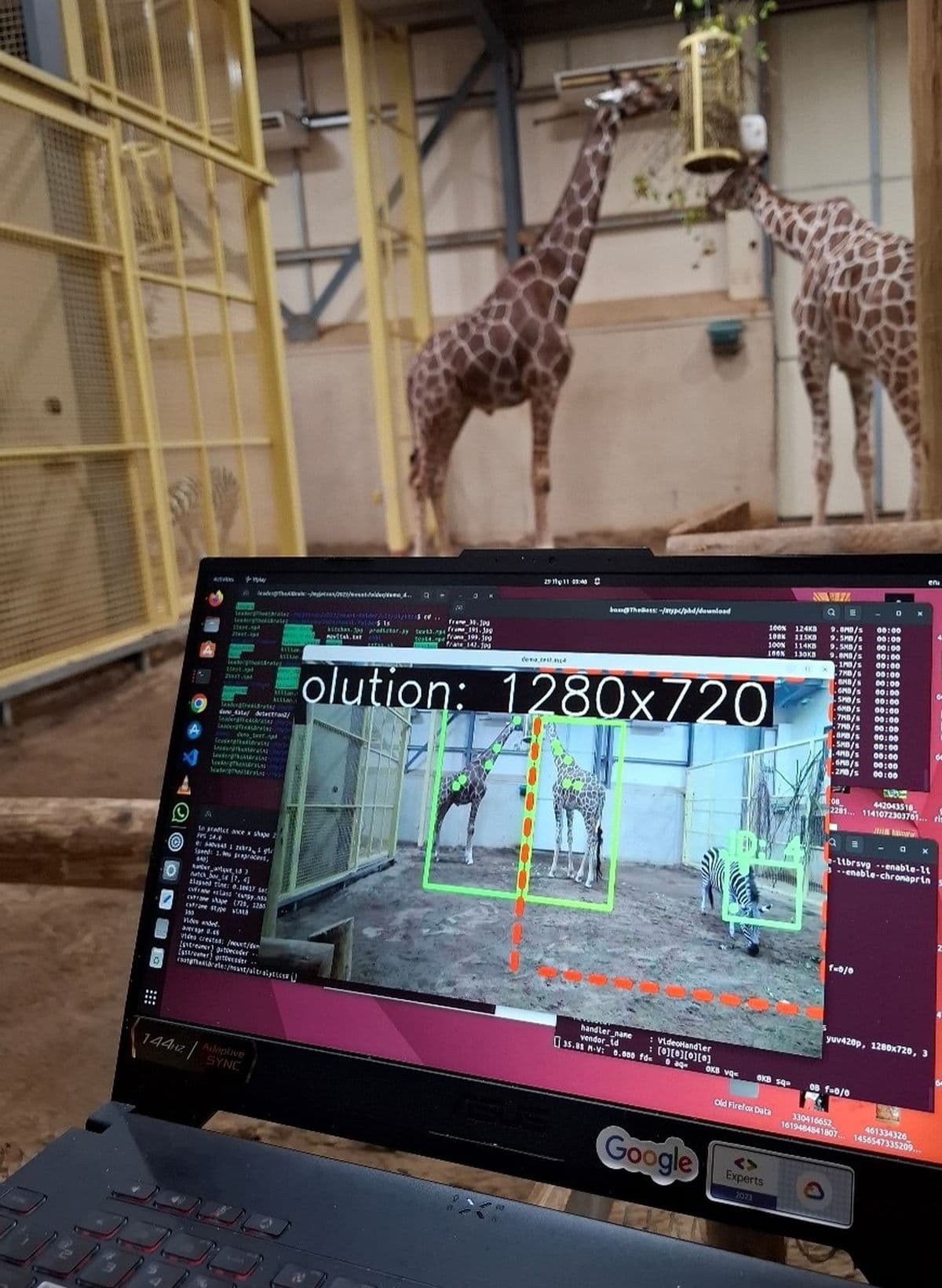
Bristol Zoo Project animals part of new WildDrone research
Animals at Bristol Zoo Project were recently involved in cutting-edge research that could transform wildlife conservation.
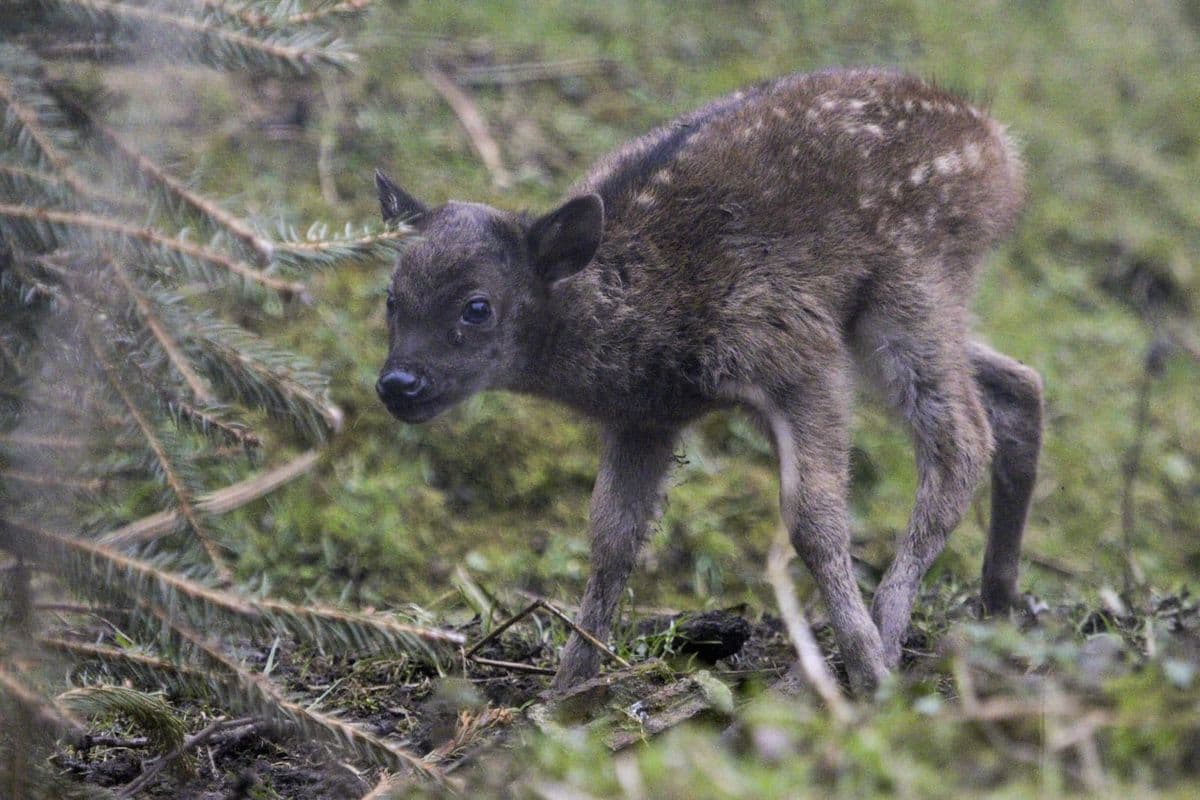
Tiny endangered deer fawn born at the zoo!
The male Philippine spotted deer, which keepers say is healthy and feeding well, has been born to first-time parents Eugene and Pandora.

Saving miniature Madeiran snails from extinction
Our team has successfully bred two species of Critically Endangered Desertas Island land snails for the first time ever in human care.
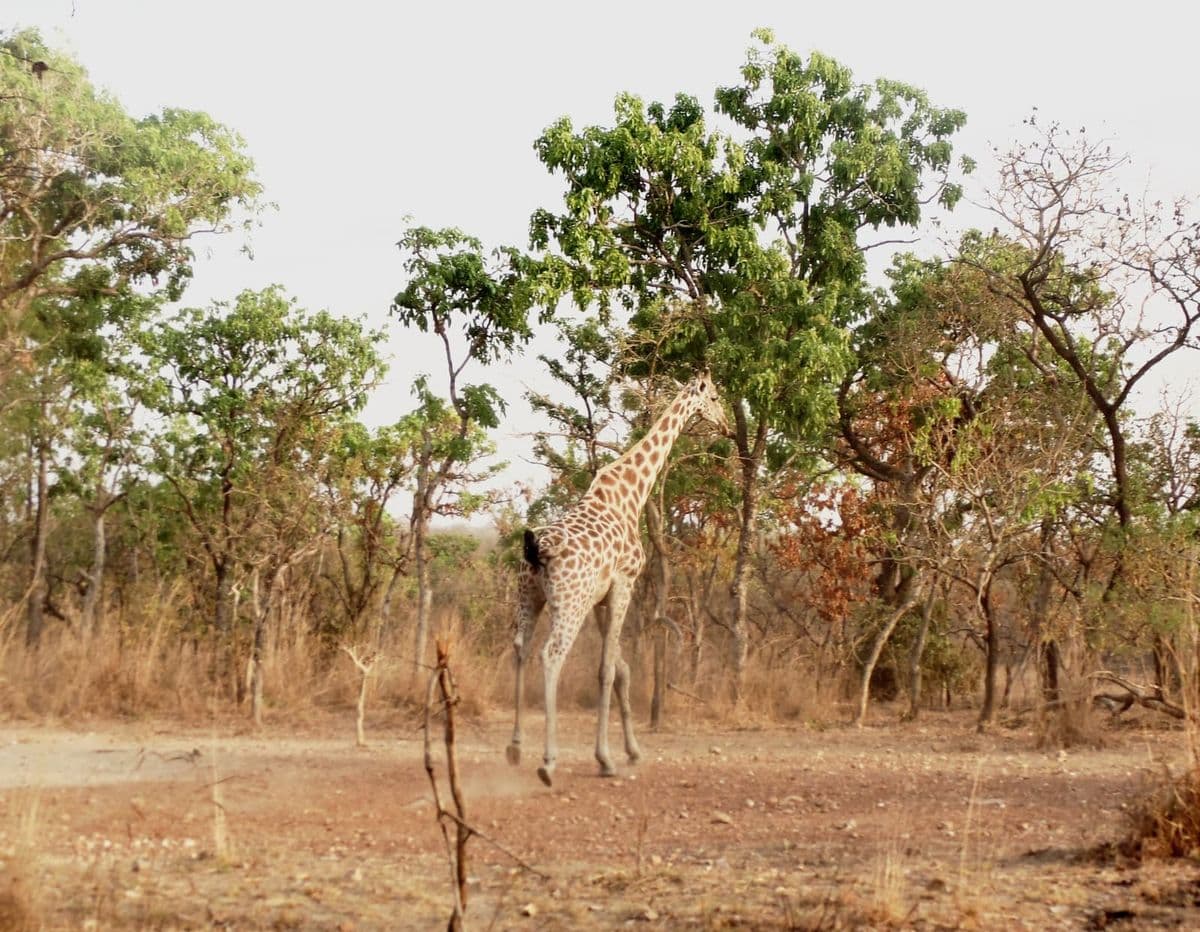
12 wildlife-saving months in pictures
We're so proud of the conservation and education work we've carried out in 2024. Take a look at our photo gallery!
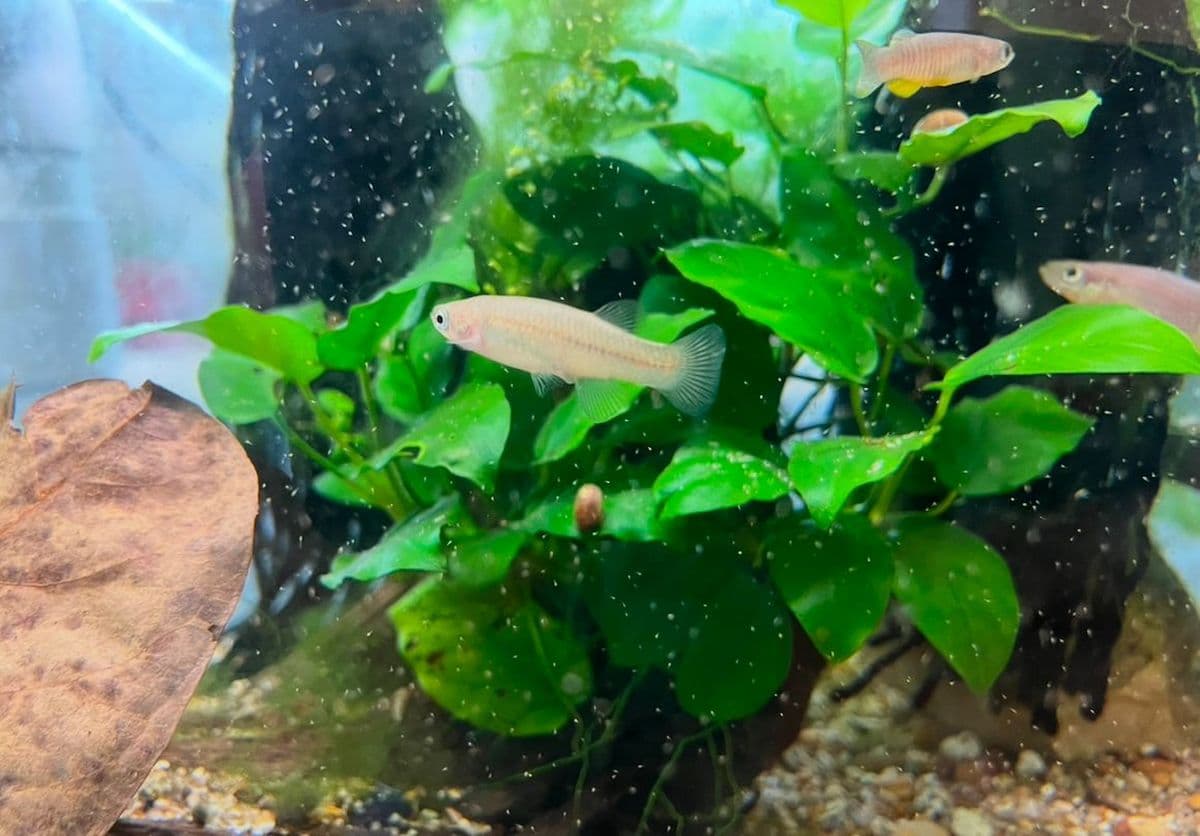
Species Spotlight: Corfu toothcarp
In the next of our series of Reverse the Red blogs, we're looking at a species of small but mighty fish that we're fighting to protect.
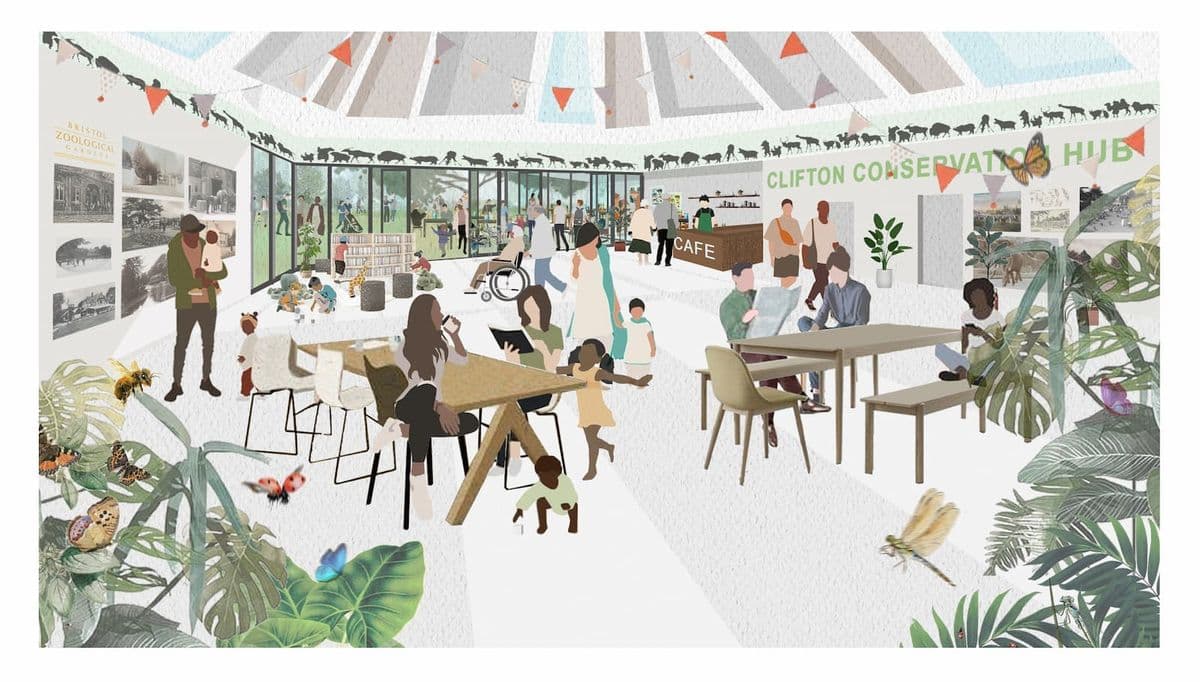
Creating a Conservation Hub at the Bristol Zoo gardens site
Historic items and memorabilia from the former Bristol Zoo Gardens, are to feature in a permanent, free exhibition of the zoo’s history.

Why we've decided to leave X/twitter
We’ve moving away from X in order to focus on spaces where we feel we can make a difference as a conservation charity.

Creating Central African Forest in the South West of England
We’re undergoing a hugely exciting project to bring Equatorial Guinea to Bristol Zoo Project, with a new habitat opening in 2026.

Celebrating 7 big achievements in 2024
Every year, our small but talented teams do amazing things working on a huge variety of projects in UK and beyond.
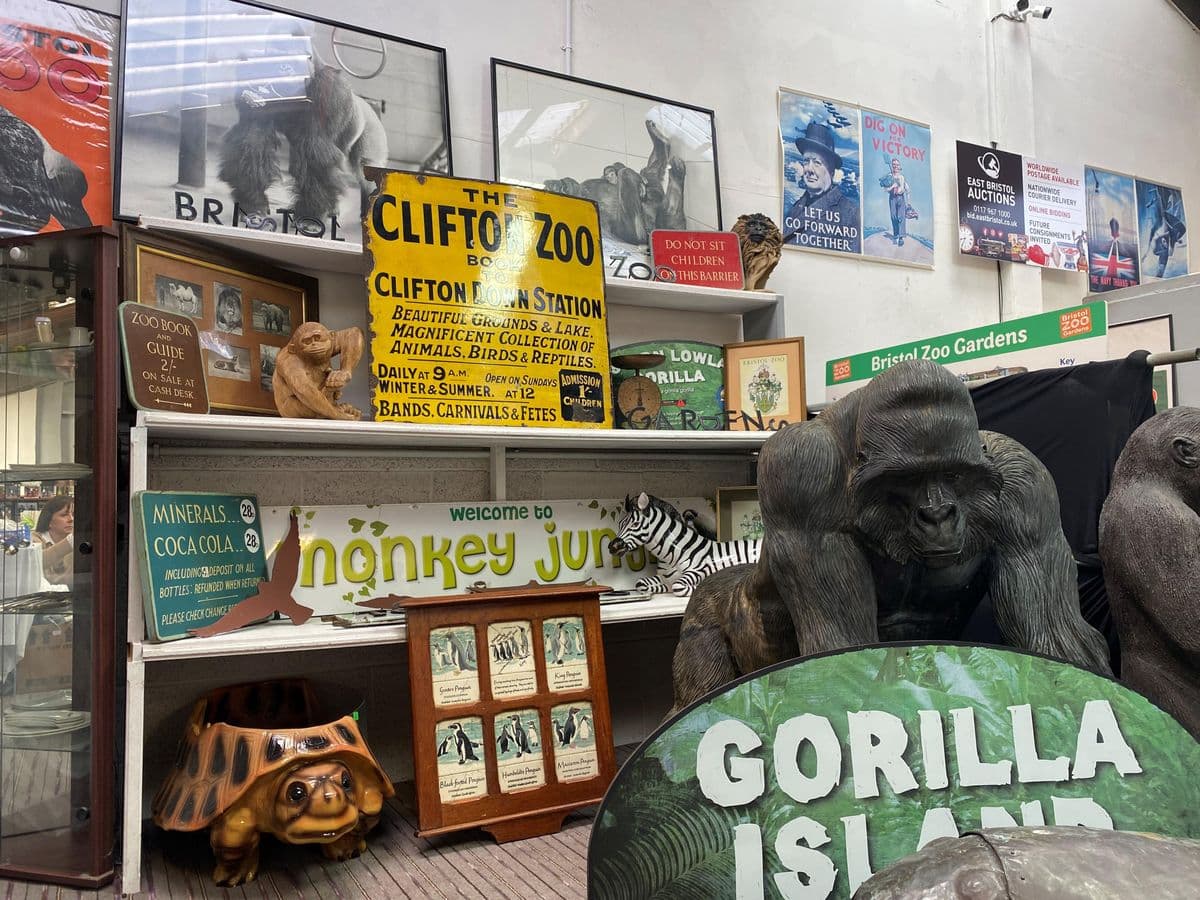
Fundraising auctions raise £206,000!
Our recent auctions of memorabilia from the former Bristol Zoo Gardens have raised an amazing amount for our conservation charity.
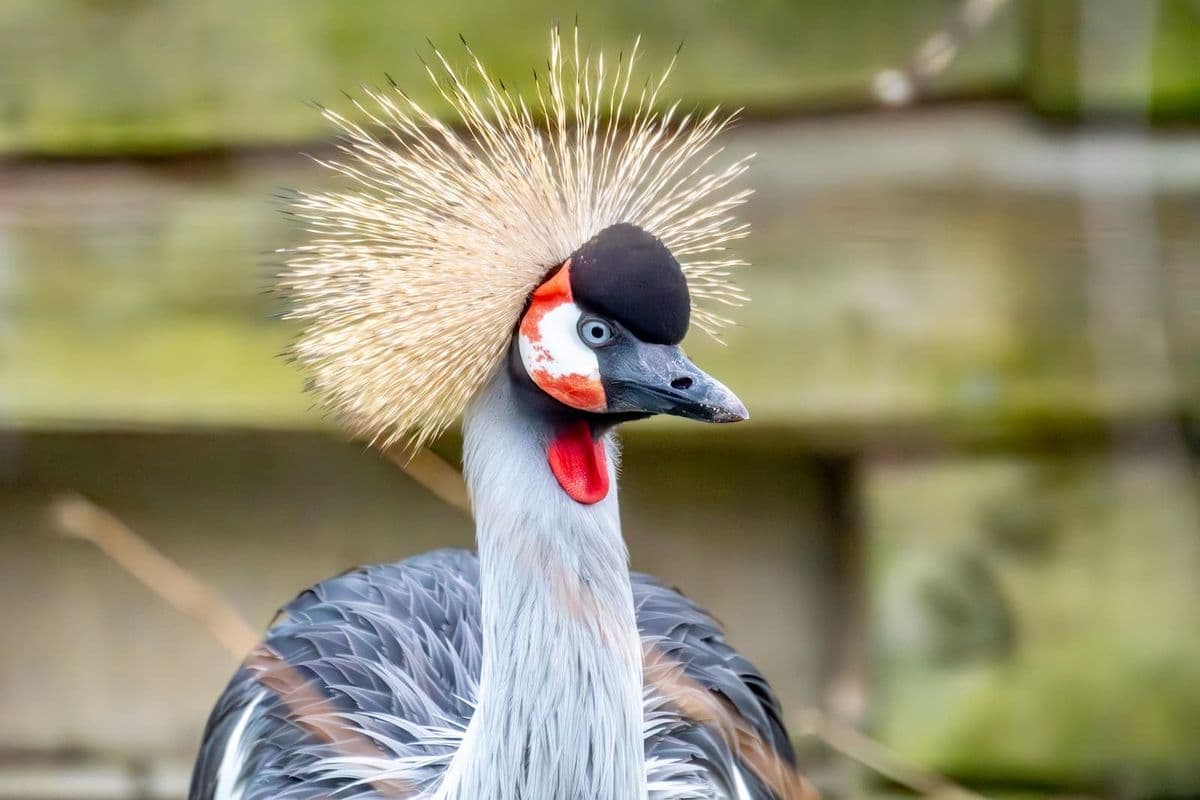
Endangered East African grey-crowned crane arrival!
We are excited to announce the arrival of a male Endangered East African grey-crowned crane at Bristol Zoo Project.


Shaun the Sheep comes to Bristol Zoo Project!
The iconic animated character Shaun the Sheep is heading to the zoo this Christmas for a rather ‘ewe-nique’ festive trail.

What we feed the gorillas at Bristol Zoo
Preparing food for our eight western lowland gorillas at Bristol Zoo Gardens is no mean feat and it keeps our amazing Animal team very busy.

COP29 and our new Sustainability Strategy
With extreme weather events affecting people and wildlife around the globe, COP29 is a pivotal opportunity to to tackle the climate crisis.

Tanzania conservation programme catch-up
Our conservation team recently took a trip to Tanzania to meet with our in-country partners about some exciting projects.

Fundraising auction of Bristol Zoo Gardens memorabilia
Fans of the former zoo have the opportunity to secure a piece of its history through an online auction of memorabilia and historical items.

It's time for torpor: How our bears prepare
We explore how our four European brown bears, Neo, Nilas, Albie, and Gemini prepare for hibernation through seasonal diet changes.

Socorro doves step up as foster parents to pink pigeon
A pair of Extinct in the Wild Socorro doves have successfully fostered a Vulnerable pink pigeon at Bristol Zoo Project, in a UK conservation first!
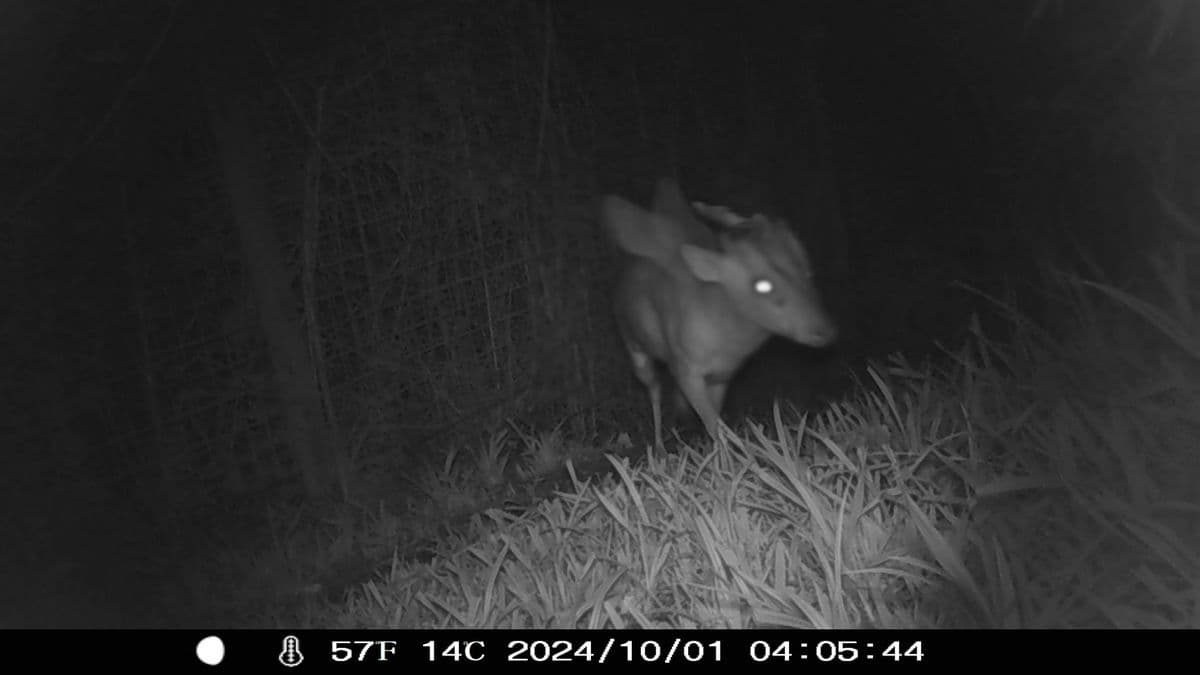
Mysterious creature spotted on night vision camera
Keepers at Bristol Zoo Project have been left baffled by images of a mysterious creature caught on a night vision camera in Bear Wood...

Supporting human-elephant coexistence in Equatorial Guinea
Our conservation team share updates from their visit to Equatorial Guinea and an exciting new method to help prevent elephant crop foraging.

Introducing our Conservation Circle
Conservation Circle is a programme that brings together like-minded individuals who are passionate about animals and conservation.
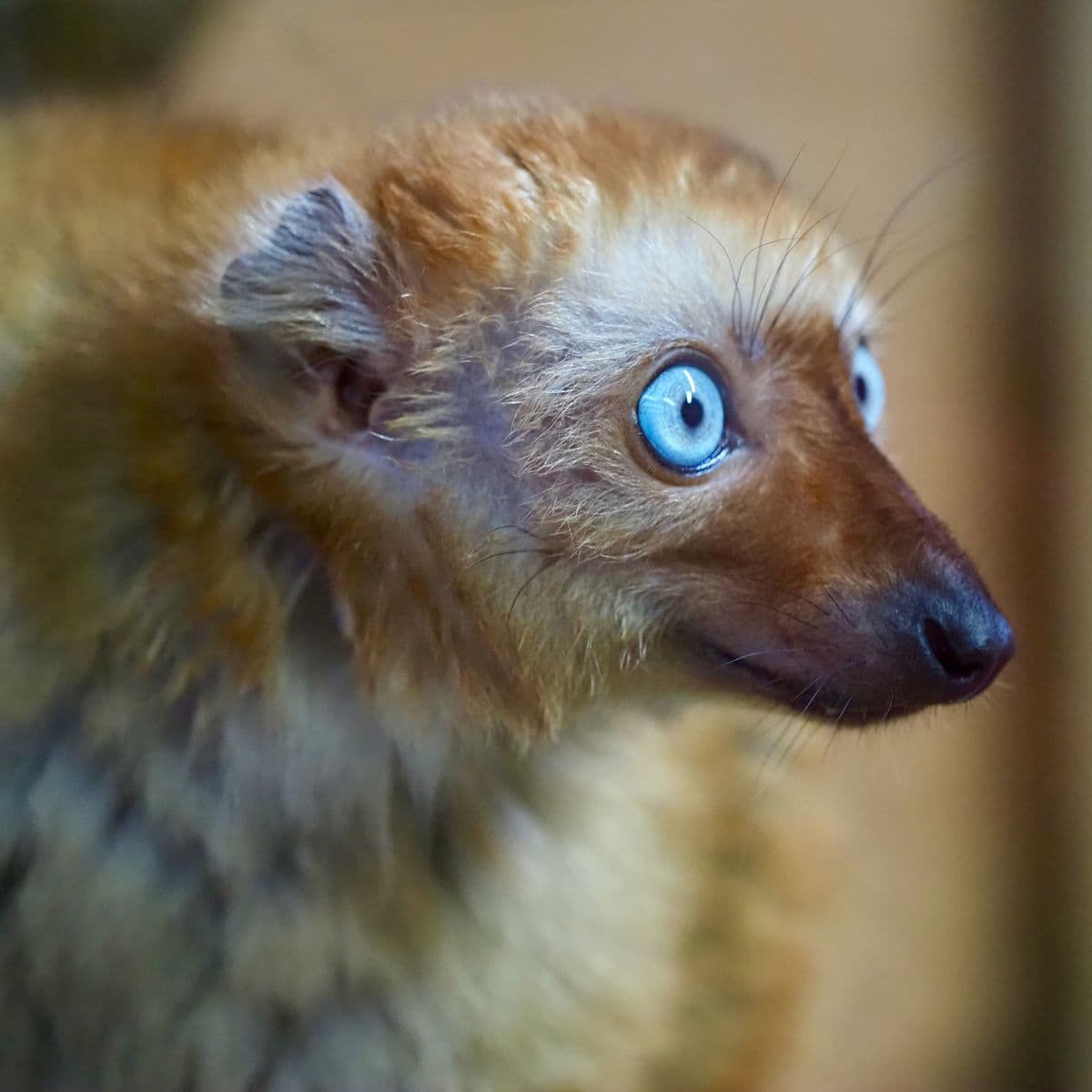
Species Spotlight: Blue-eyed black lemur
This critically endangered species of lemur is one of the animals we're pledging to protect as part of the Reverse the Red initiative.

Happy International Zookeeper Day!
We explore some of the more interesting and wonderful tasks that our keepers do, which may surprise you!

Geladas discover fossil in habitat
Could our geladas add palaeontology to their list of skills after discovering a fossil within their habitat? Take a look at what they dug up.

News on the Central African Forest habitat
An update on the Central African Forest habitat at Bristol Zoo Project, which will house several species of threatened animals.

Welcoming Malala to Bristol Zoo Project!
Meet Malala, our new Critically Endangered male Alaotran gentle lemur, who has joined our female Tiana as part of a crucial breeding programme.

Reintroducing ‘Extinct’ snails to the wild in French Polynesia
Our ectotherm keepers have helped to reintroduce Extinct-in-the-Wild species of Partula snails to French Polynesia.

20 things to do at Bristol Zoo Project this Halloween
Get ready for a fun-filled Halloween at Bristol Zoo Project! Here are some ideas of things to enjoy during your next visit.

UK native species thrive on fifth anniversary of Bear Wood
Conservation surveys of the award-winning Bear Wood habitat have shown native species are thriving since it opened.
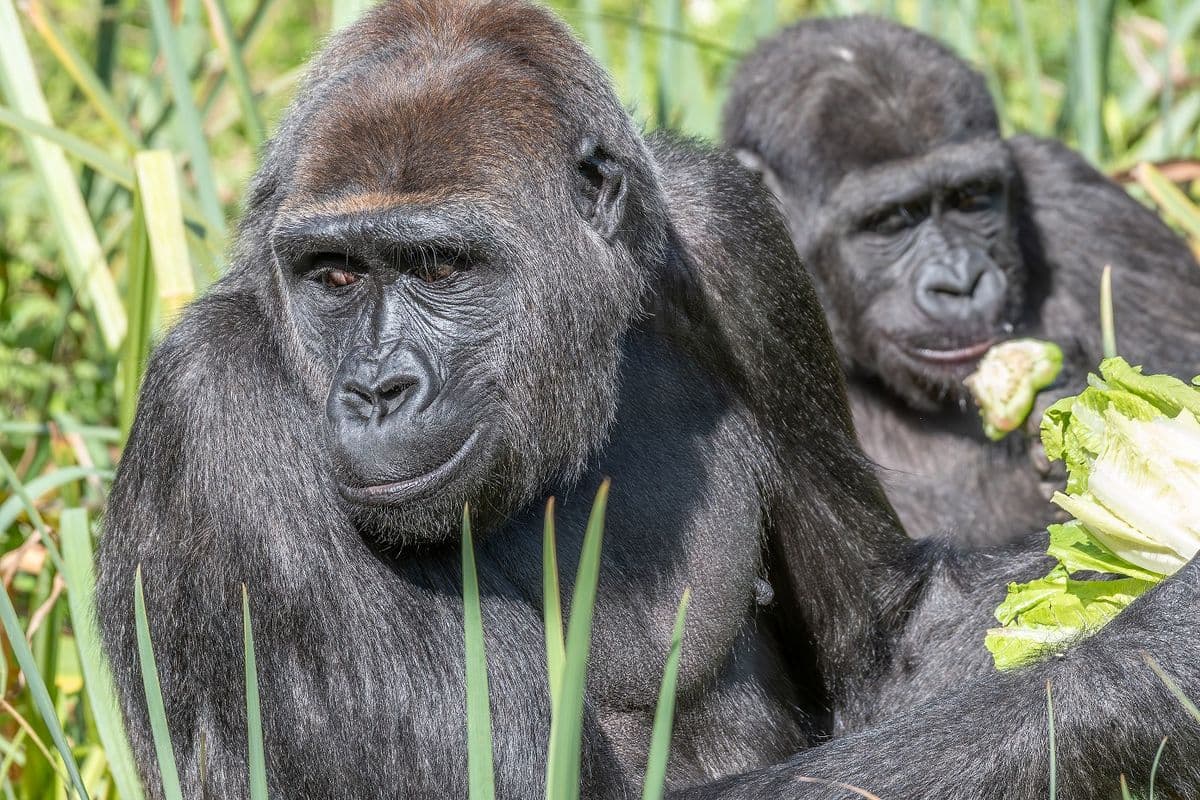
Meet the troop — a guide to our gorillas
As work continues on our new Central African Forest area, we’re looking forward to our gorilla troop moving into their new habitat.

Company volunteer days with Bristol Zoological Society
By partnering with us, businesses have the power to contribute to positive change for the planet. Find out more about what we offer.

Species Spotlight: Negros bleeding-heart dove
We're shining a light on another species we're protecting as part of Reverse the Red, the Critically Endangered Negros bleeding-heart dove.

Bird breeding success at Bristol Zoo Project!
Two of the world’s rarest bird species, a pair of Mauritian pink pigeons, and a pair of Endangered Visayan tarictic hornbills, have bred at the zoo.

New learning space to be created thanks to grant
A new Central African Forest learning space will be built thanks to a £1 million grant from Biffa Award and the Fraxinus Charitable Trust.

Our incredible 2024 achievements so far!
From conservation successes to awards, new arrivals, and exciting new developments, we're celebrating an already amazing year.

Celebrating our fundraising hero, Jared Mawbey!
Jared Mawbey, an inspiring 11-year-old from Somerton, has climbed the peaks of Snowdonia to raise £2,000 for Bristol Zoological Society.

Some updates about our gorilla troop!
Our Curator of Mammals, Sarah Gedman, shares the latest news about our western lowland gorillas.
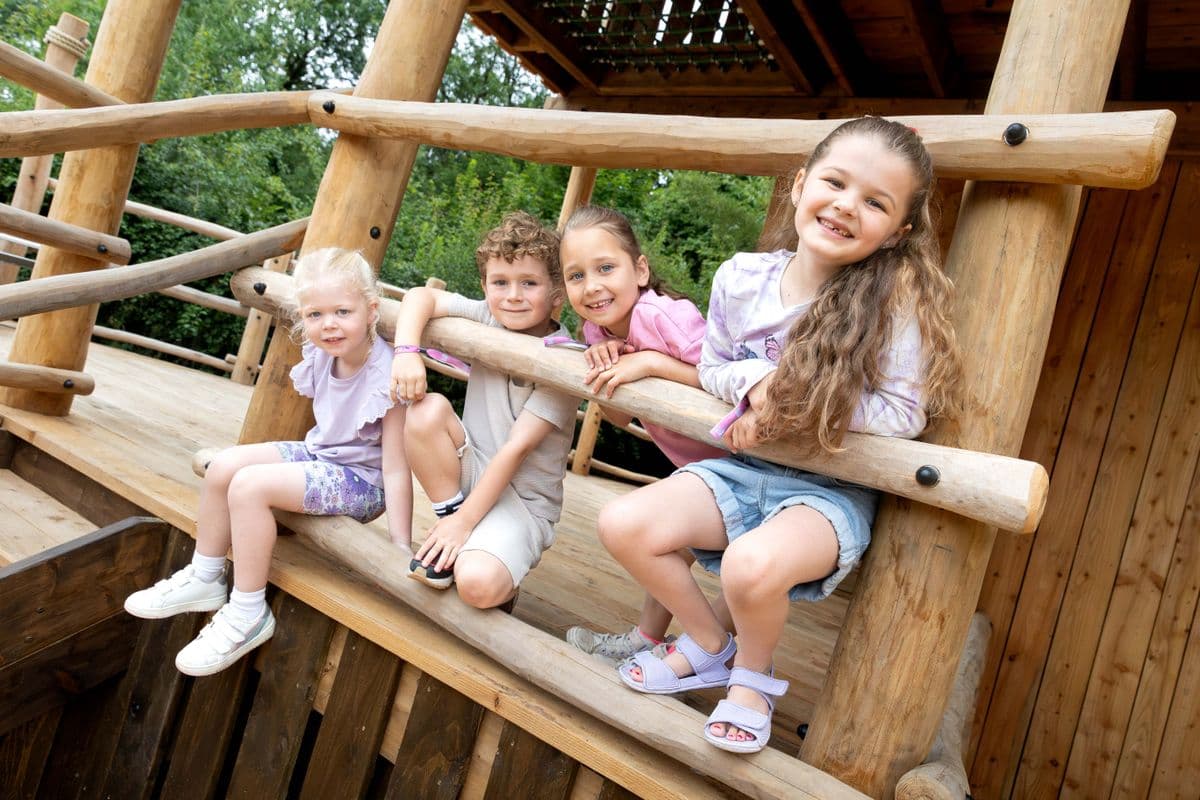
Play Testers give Explorers Basecamp their seal of approval!
Twenty lucky children have beaten 10,000 others to land the role of official Play Testers at our new conservation-themed adventure playground!

Species spotlight: Turquoise dwarf gecko
In the first of our series highlighting our six flagship species we're championing, we focus on a Critically Endangered gecko from Tanzania.

Communities help protect species in the Philippines
Our conservation team share updates from their recent visit to the Visayas to meet with in-country project partners.

Surveys, reforestation and lemurs in Madagascar
In this conservation field report, Megan Aylward, Lecturer in Conservation Science, gives an update from her field trip to Madagascar.

Step forward for development of Bristol Zoo Gardens
Our plans to develop the former Bristol Zoo Gardens site in Clifton have moved a major step forward.
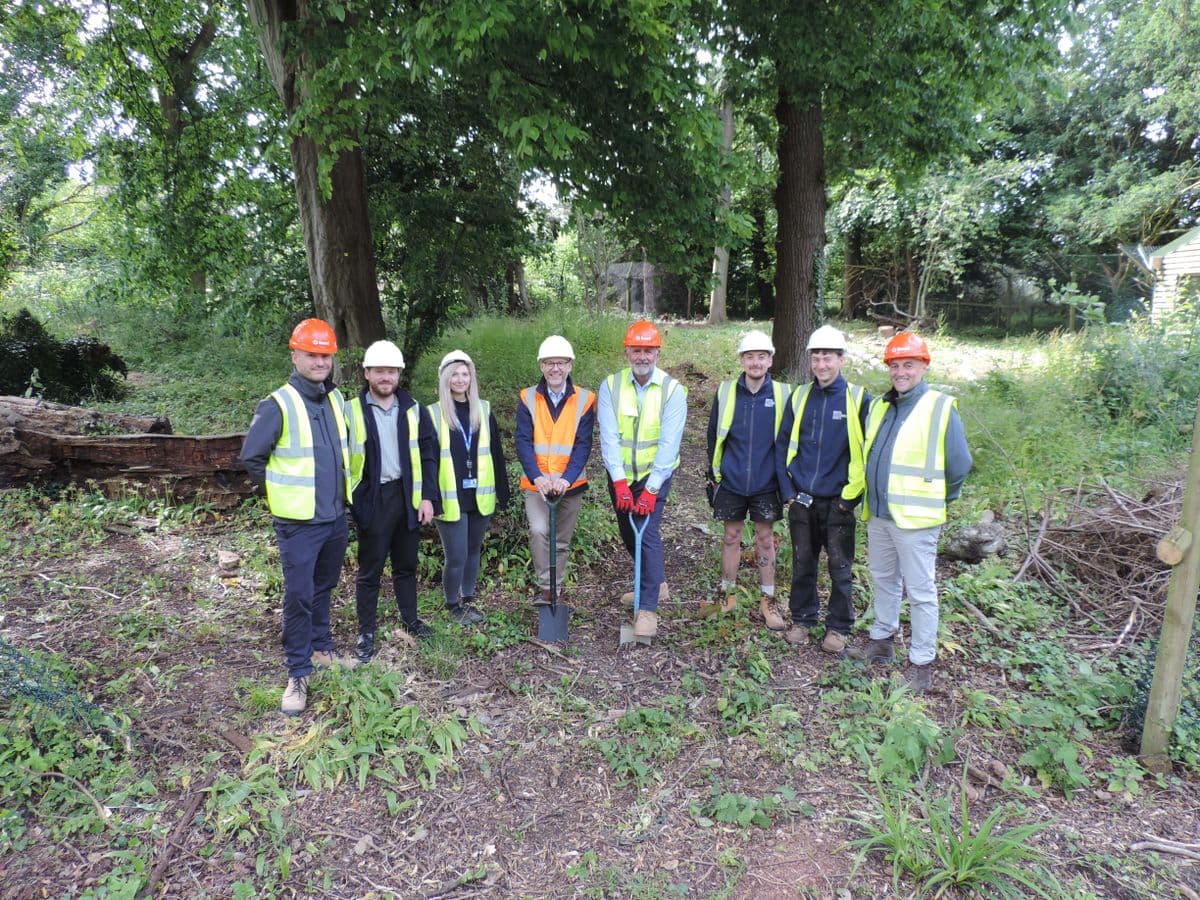
Work begins on our new Central African Forest habitat
The first turf has been cut for the new habitat, which will be home to our existing troop of Critically Endangered western lowland gorillas.

An egg-citing update on our ostriches
As keen-eyed visitors may have noticed, Mary, our female common ostrich, has been laying eggs! So, what's happening with them?

An update on the Bristol Zoo Gardens site
Following the closure of Bristol Zoo Gardens in 2022, we have been working to prepare the site for sale.

Ultimate kids' job up for grabs at Bristol Zoo Project!
As we get ready for the opening of our new adventure playground, we’re searching for 10 lucky children to become official play testers!

Access to Nature scheme funds hundreds of zoo visits
Our Access to Nature scheme offers funded visits to the zoo, helping those most in need of access to nature.

Madagascar reforestation project update
Our conservation team have helped plant over 15,000 seedlings in Madagascar as part of efforts to restore forests.

Introducing our new family saver offer
The Family Saver ticket gives you the same access to the zoo – no time limits or date restrictions, for a lower cost.

Welcome to our new female red river hog, Laña!
We have recently welcomed a new red river hog from Africa Alive in Suffolk, as a companion for our male red river hog Ekundu.

How our new red panda settled in to his new habitat
To help us understand how Nilo has settled in, our Animal Behaviour and Welfare Team set out to record his behaviour in his new habitat.

Our pledge to Reverse the Red and save species
As a conservation and education charity, we're pledging to conserve and protect dozens of species on the brink of extinction.

Protecting threatened species in the Philippines
Our conservation team are working with local communities to help conserve the Visayan warty pig and other threatened wildlife.

How we introduced new gelada into our bachelor group
In January, we were excited to welcome two new geladas to our group here at Bristol Zoo Project, father and son Leena (13) and Takeze (5).
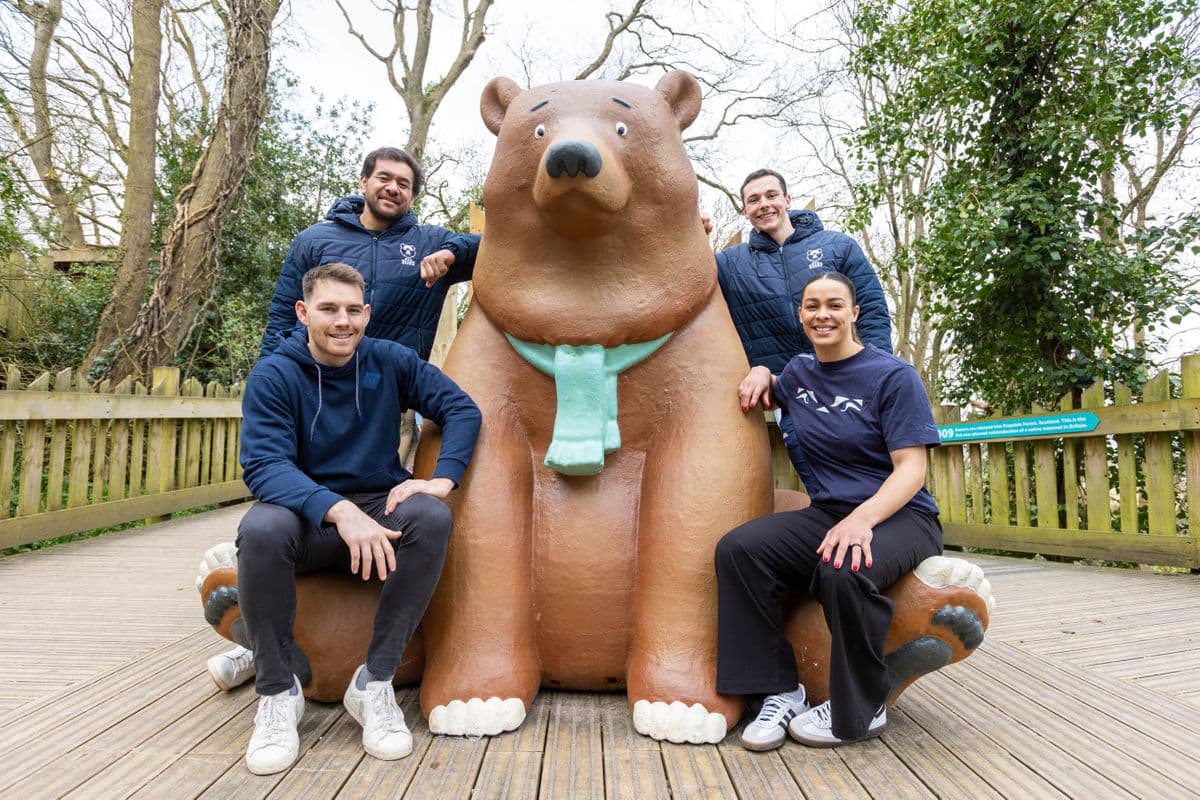
Bristol's most famous bears come face-to-face
Bristol Bears rugby players have come face-to-face with their namesakes at the We're Going on a Bear Hunt trail!

Creating a new red panda habitat
Before welcoming our new red panda Nilo, our expert teams came together to create a purpose-built habitat, tailor-made to his needs.

Red pandas are back in Bristol as Nilo arrives at the zoo!
Endangered red panda Nilo is settling in to his newly created habitat after arriving from ZSL’s Whipsnade.

Anti-poaching project in Cameroon declared a success
A two-year project to help safeguard the precious wildlife of Bénoué National Park in northern Cameroon, has been declared a success.

National expansion for scheme to protect UK waterways
A Bristol-based water quality awards scheme to fight invasive non-native species has been expanded to more than 60 sites across the UK.
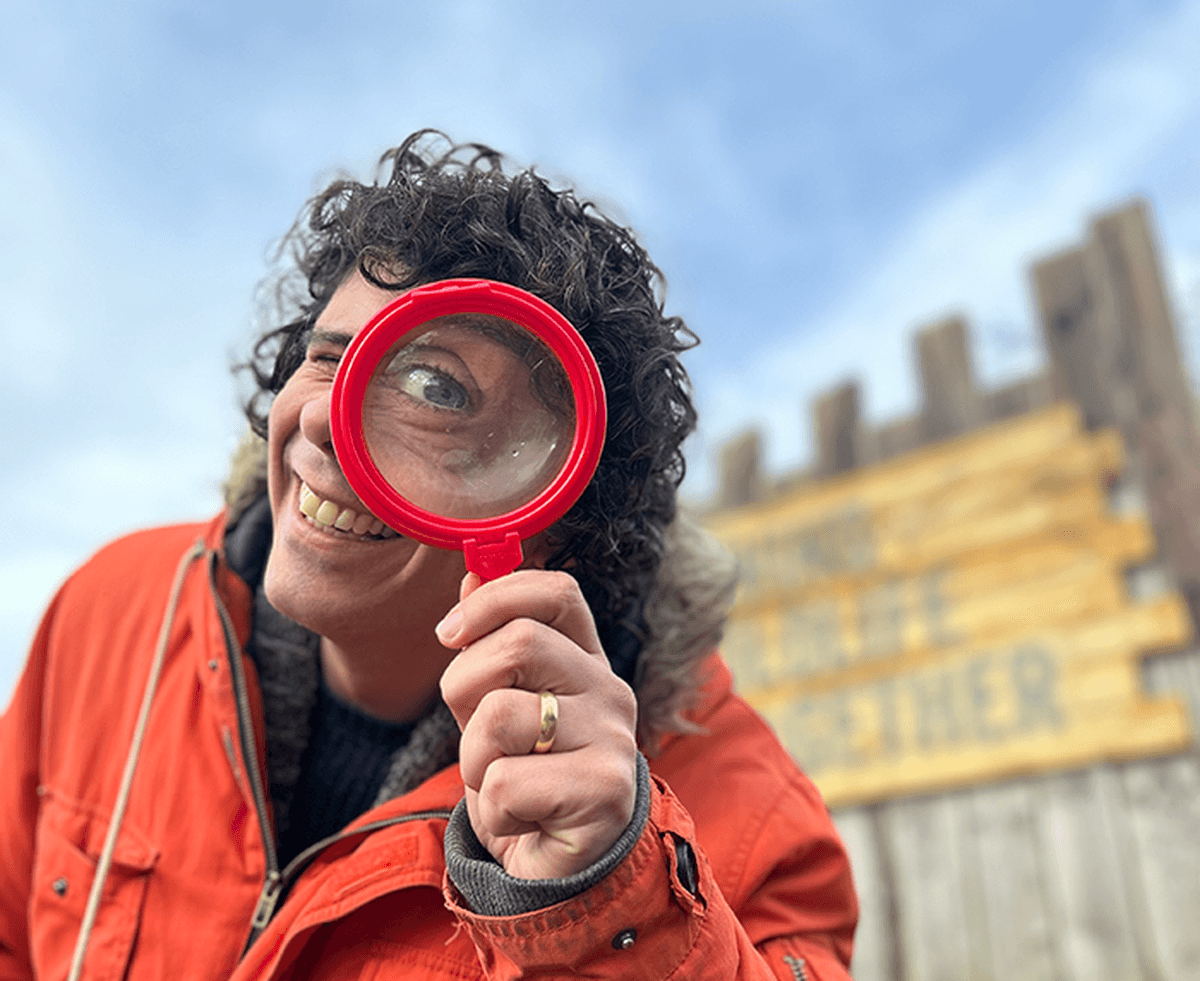
TV adventurer Andy Day turns detective for half term fun
Children's TV presenter Andy Day joined us for a sneak peek of our Zoo Detectives trail ahead of February half-term (10 to 18 February).

Population study supports fight to save Kordofan giraffe
New data about the numbers of Critically Endangered Kordofan giraffe living in Cameroon’s Bénoué National Park has been released.

How membership helps support wildlife
Here are five amazing things our members do to support our conservation charity in our mission of Saving Wildlife Together.
Approval for new Central African Forest habitat
We’ve secured planning approval to build a Central African Forest habitat at Bristol Zoo Project for the world’s most critically endangered species.

12 incredible wildlife-saving months!
From the announcement of a new conservation zoo to saving species at home and abroad, 2023 has been a year to remember.

Santa investigates animal poop wrapping paper
The poo from different animals at Bristol Zoo Project could be turned into gift wrap if a new trial is successful.
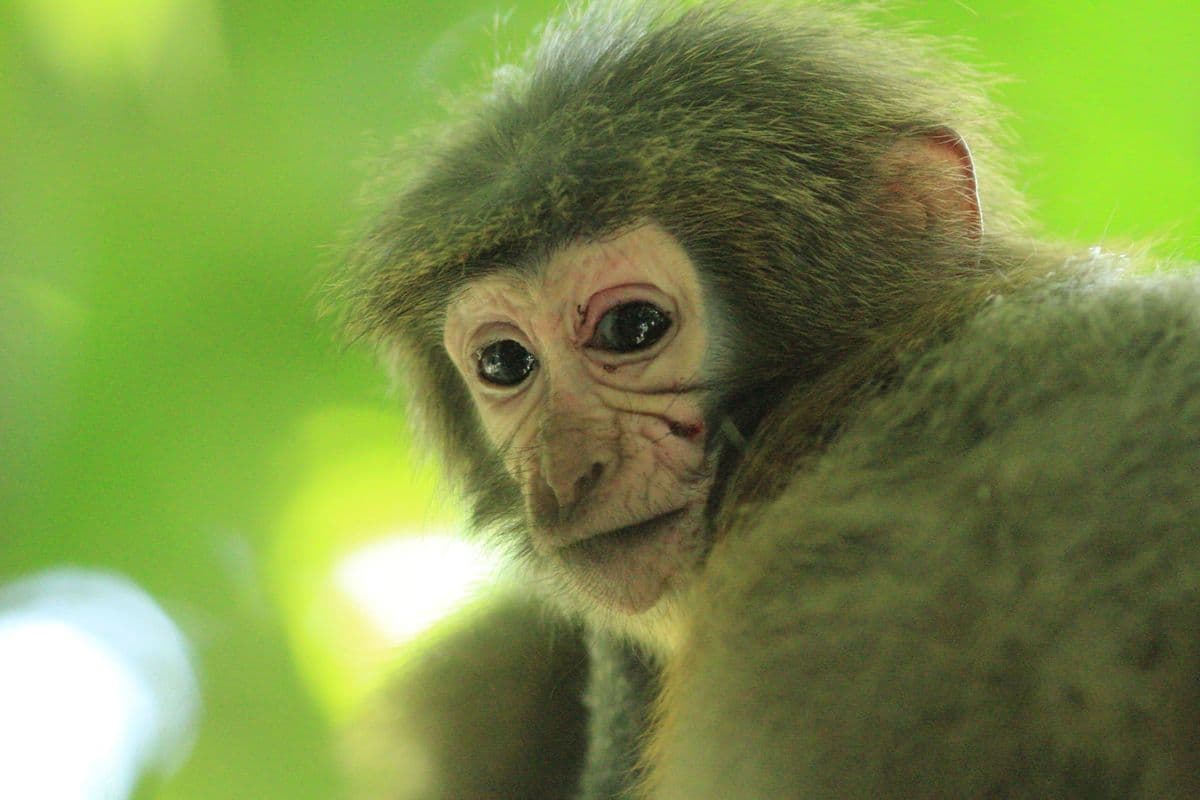
SAVING the SANJE MANGABEY IN TANZANIA
Bristol Zoological Society has been working to project Sanje mangabeys, an Endangered primate species found only in Tanzania, since 2014.

Paris Exhibition Celebrates Fish Project
An exhibition focusing on the efforts of UK scientists to save a critically endangered species of fish in Madagascar, has opened in Paris.
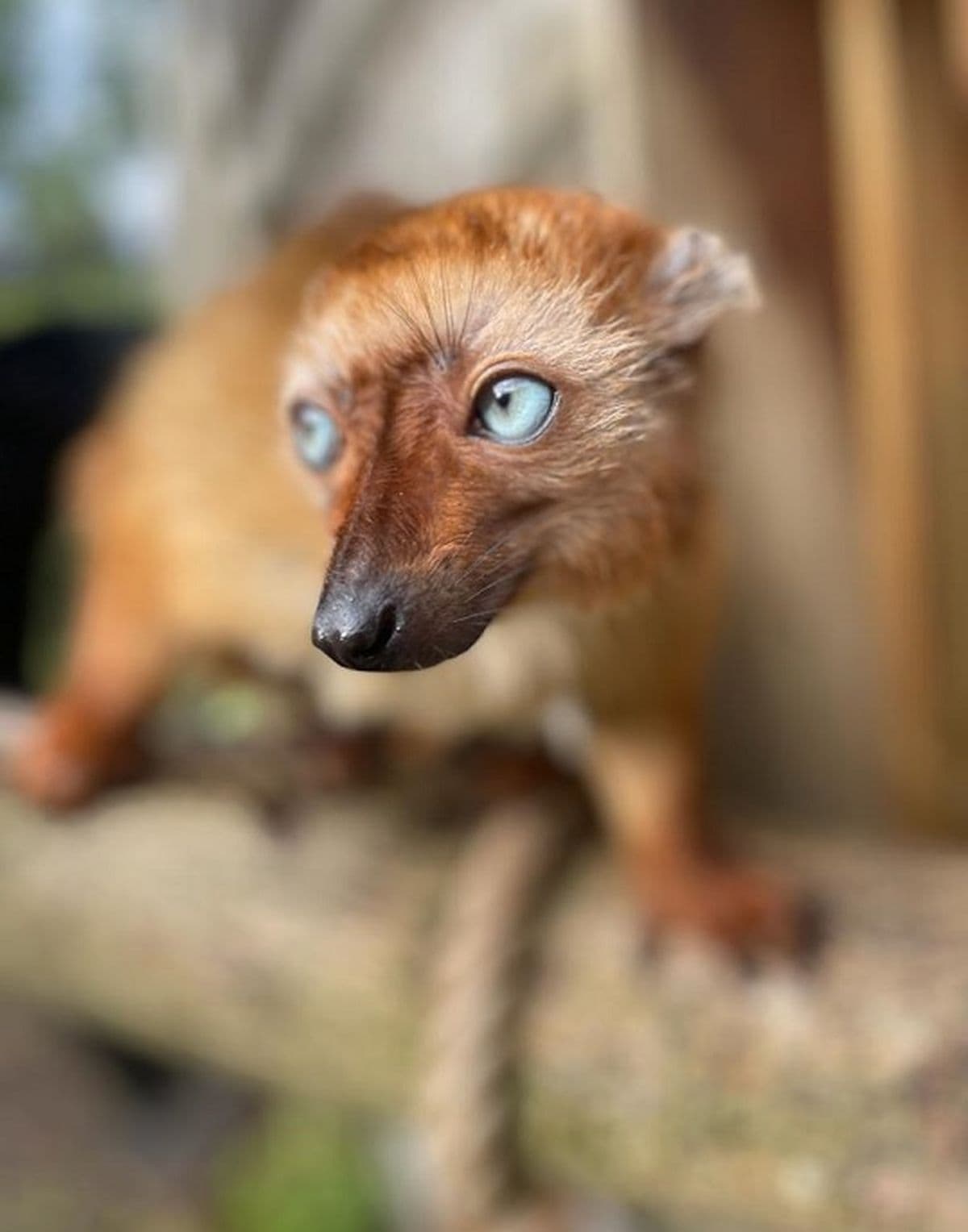
Welcome to our new blue-eyed black lemur pair!
Haja, a four-year-old male, and Olanna, a nine-year-old female have moved to Bristol Zoo Project from their home at the former Bristol Zoo Gardens.

Using camera traps to conserve species in Cameroon
Our conservation team is working to reduce the threats posed to important populations of wildlife species in Cameroon’s Bénoué National Park.

Bristol Zoo Project hosts world leading giraffe care conference
Bristol Zoo Project is bringing together giraffe keepers from around the world as part of a major training event.

Why do bears hibernate and what does it involve?
The four bears of Bear Wood will soon be going into torpor (a light form of hibernation) - here's everything you need to know.

Conservation team visit the Philippines
It’s been a busy few weeks for our Philippines Programme Team, having just returned from a trip to the islands of Negros and Panay.

Halloween arrives early at Bristol Zoo Project
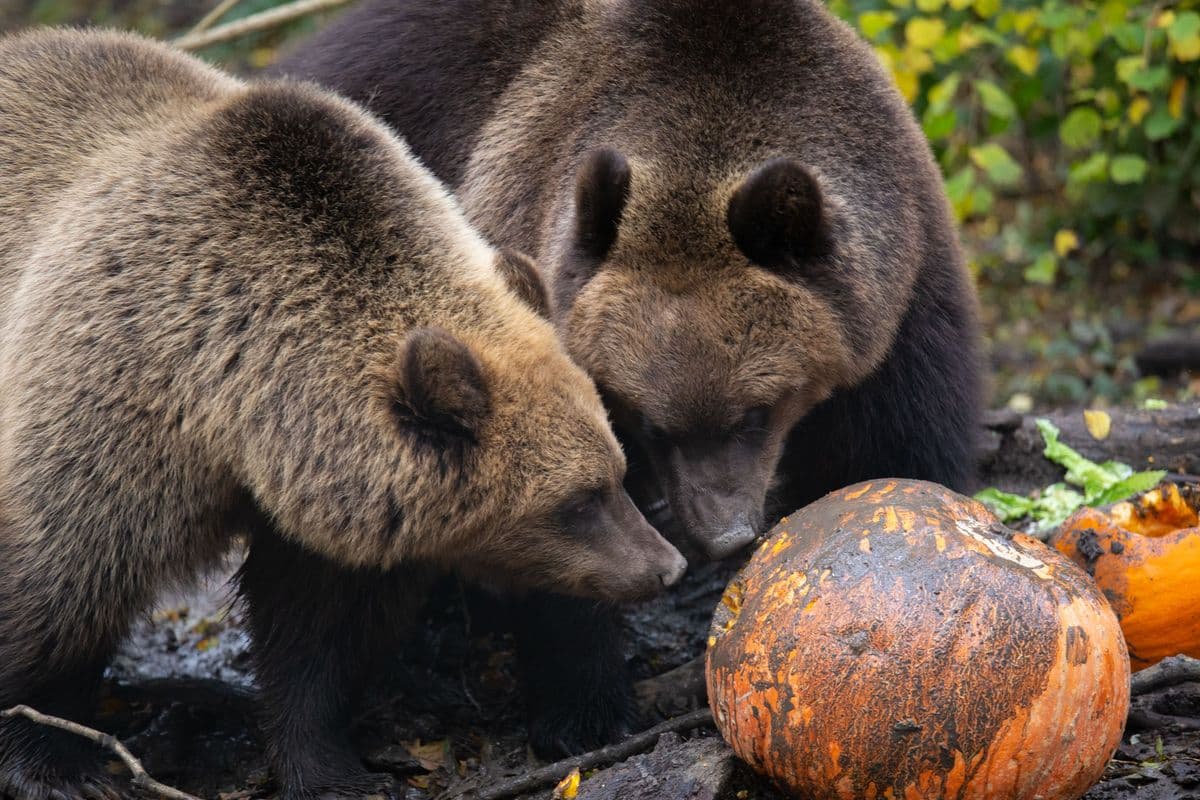
Our brown bears and wolverines have been enjoying some tasty pumpkins ahead of our Howl-oween celebrations later this month.
7 Things to do at Bristol Zoo Project this Halloween
Discover things to do during your Halloween visit to Bristol Zoo Project, including our spook-tacular trail and witch's campsite.
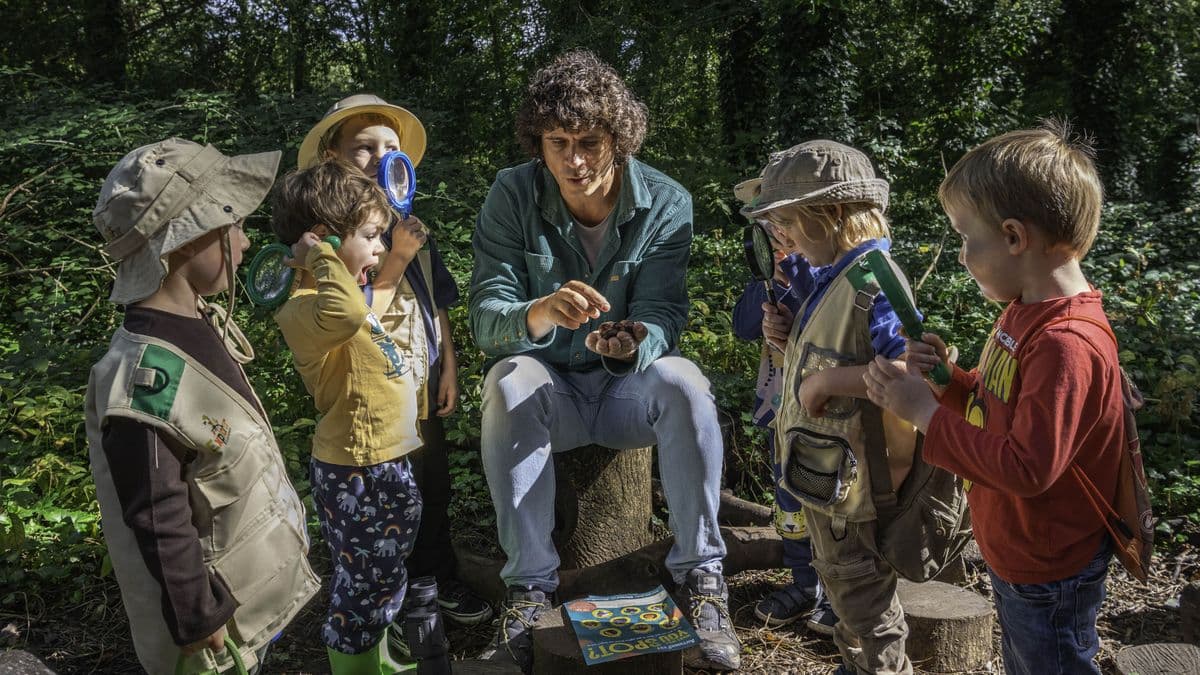
Children’s TV adventurer Andy Day visits Bristol Zoo Project
Popular children’s TV presenter Andy Day has swapped dinosaur adventures for local nature as part of our AutumnFest celebrations.

Conservation student proves it’s never too late
A mature student is proving it’s never too late to follow your passion, after winning a top conservation award.

Good News for Newts!
Great-crested newt numbers have risen by 87% at Bristol Zoo Project since 2021, thanks to a £50,000 grant from the Landfill Communities Trust.

Precious escargot: Extinct snails head back to the wild
Extinct in the Wild tropical tree snails bred by Bristol Zoological Society have been flown to Tahiti.

If you go down to Bear Wood Today...
Discover the wonders of Bear Wood and learn more about the bears, wolves, lynxes and wolverines that live there.

Bird conservation at Bristol Zoo Project
Bristol Zoo Project is home to some of the world’s rarest species of birds, and plays a critical role in the conservation of threatened species.

Why you should care about white-clawed crayfish
This World Water Week, we’re shining a light on our conservation work with one of the UK’s most endangered species.

There's something about Mary...the ostrich!
A new arrival at Bristol Zoo Project has been capturing the attention of visitors with her beautiful plumage and long limbs.

Conservation success story: reforesting Madagascar
Our ongoing conservation work in Northwest Madagascar has seen us successfully establish 15,000 tree seedlings this year.

7 surprising facts about grey wolves
Unique howls, a huge geographical range and complex social bonds… there’s a lot about wolves you might not know.

Giant chocolate replica of Alfred the gorilla arrives
A one-metre tall, 45kg chocolate sculpture of one of Bristol Zoo’s most famous and much-loved residents, has been unveiled to visitors.

Kordofan giraffes face local extinction if poaching continues
Poaching of two Critically Endangered Kordofan giraffes per year could result in extinction in just 15 years within Cameroon’s Bénoué National Park.

Double conservation success for our bird keepers
Two of the world’s most threatened species of bird have successfully bred at Bristol Zoo Project - safeguarding the future of their species.

Around the world in 7 projects: our conservation work
From majestic western lowland gorillas to the tiny white-clawed crayfish, we’re working around the world to save species.

A day in the life of an animal keeper
We join the animal team for National Zookeeper Week to appreciate zookeepers’ contribution to the charity’s conservation efforts.
First sight of new brand for Bristol Zoo Project
New name and brand revealed, marking the start of our journey to become a modern conservation zoo.