

Silky wave moth populations are on the rise
Posted on: 10 December, 2025
The silky wave moth population in England has reached record high population figures after 13 years of monitoring in the Avon Gorge.
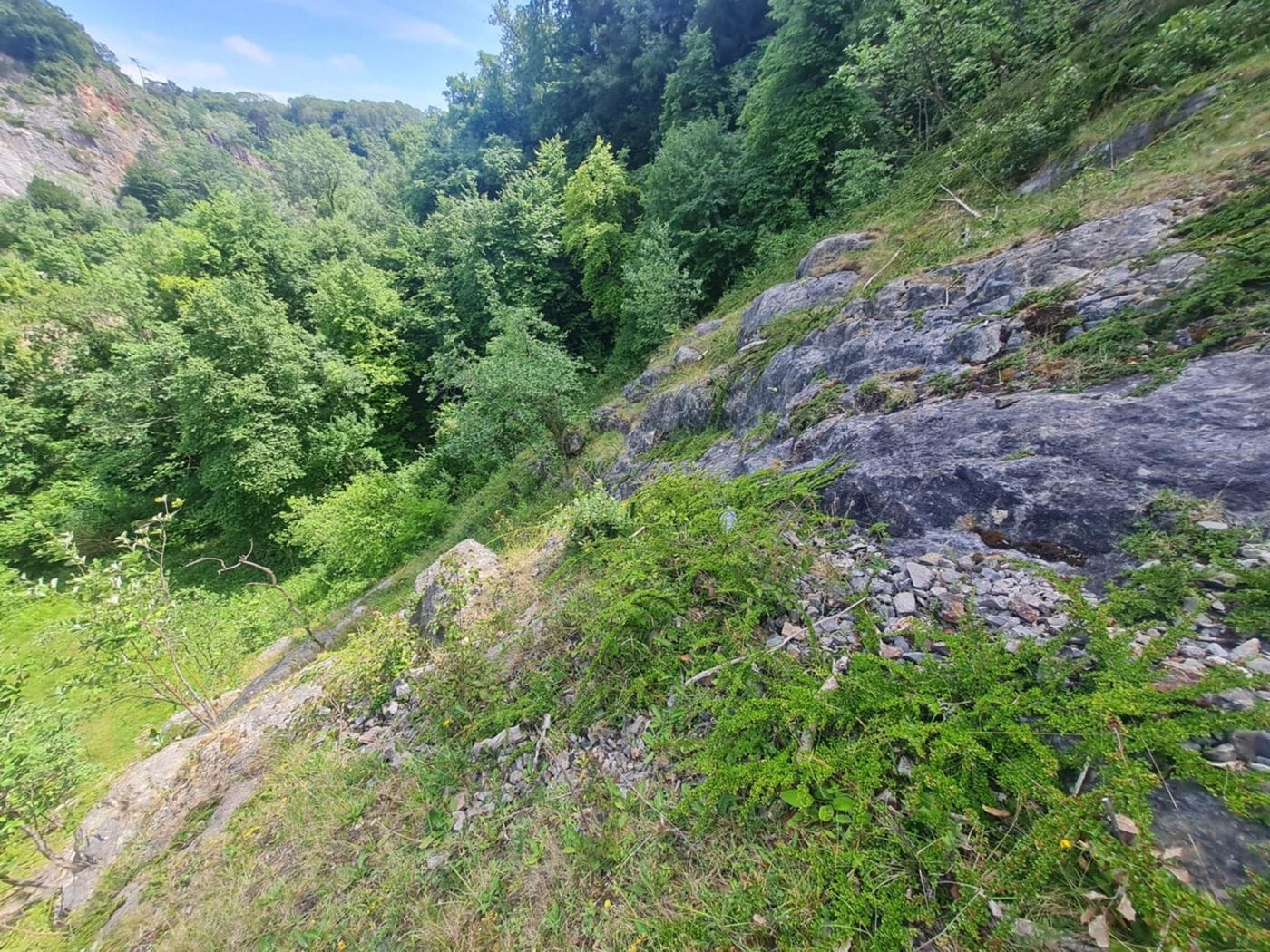
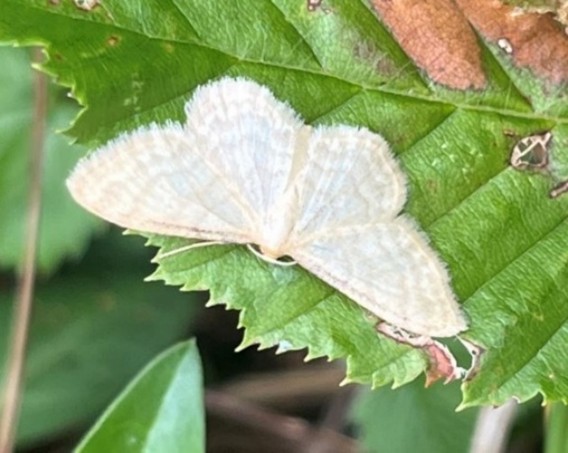 The silky wave moth, Idaea dilutaria, a delicate, pale-winged species found in only one place in England, has had its best year in more than a decade. Bristol Zoological Society carried out surveys across the Avon Gorge in Bristol during June and early July 2025 and recorded 356 individuals, more than double last year’s count and the highest total since 2012.
This comes as welcome news for a species listed as a Section 41 priority under the Natural Environment and Rural Communities (NERC) Act, a list of species and habitats of principal importance for conserving biodiversity. The Avon Gorge is home to England’s only known population, making long-term monitoring and habitat management essential for the moth’s survival.
 The silky wave is a species of moth occurring in central and southern Europe and in the Caucasus to north-eastern Turkey. It is also found in northern France, Germany and in one site in Sweden. It is classified as Rare in Great Britain, where it is on the edge of its range, and is found in only three areas. It is known to use common rock rose as a larval food plant and possible several other low growing species.
Since 2011, Bristol Zoological Society has monitored the silky wave annually, building on earlier surveys by Butterfly Conservation. This year’s results highlight not only a significant population boost, but also the importance of carefully managed habitat, and the challenges facing sites where scrub, invasive species or human disturbance continue to grow.
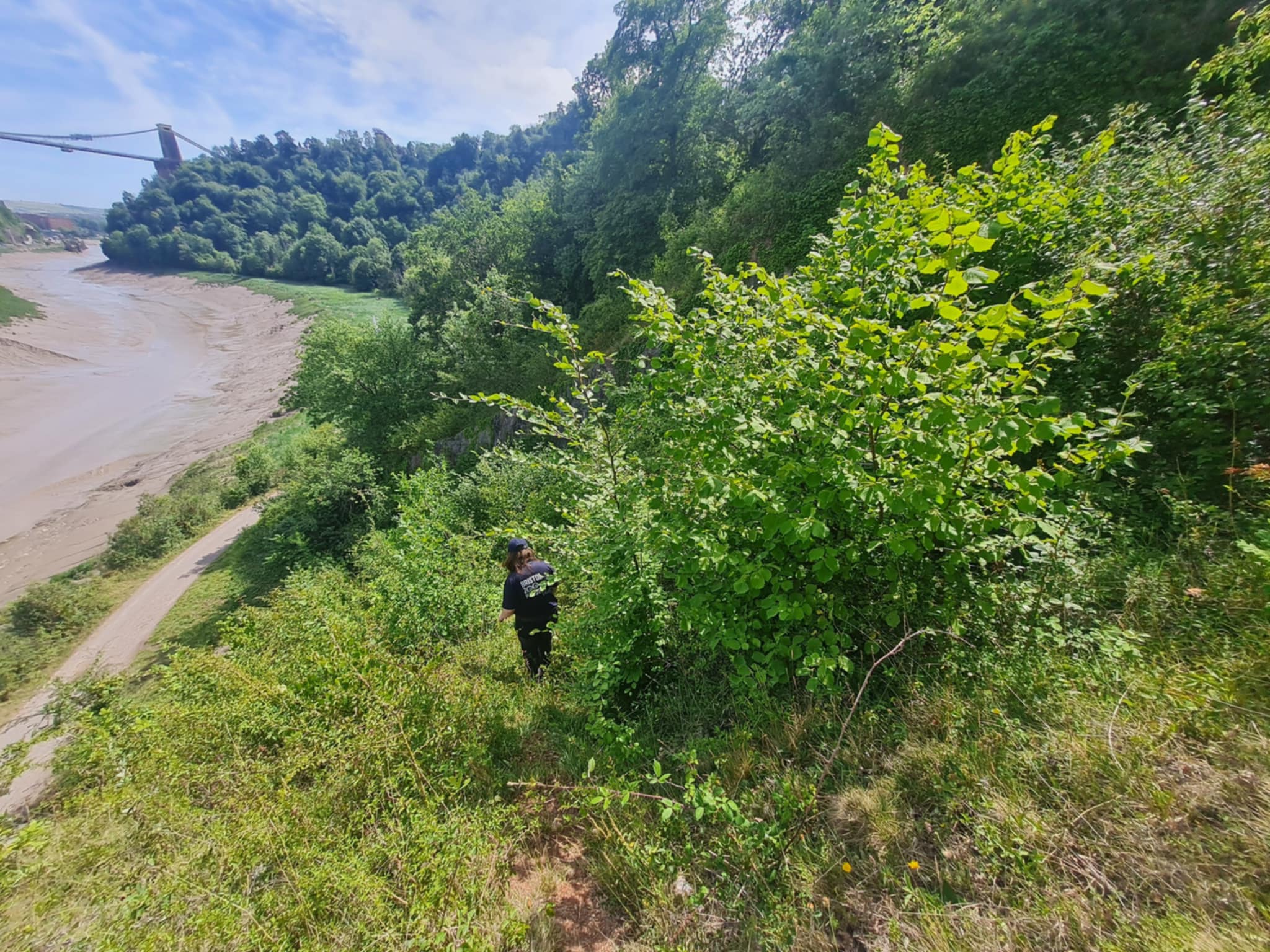
Surveying began on 6 June and continued until 3 July, covering the full expected flight season. All six priority sites, three on the Bristol side, three in Somerset, plus six “satellite” sites known to support the moth historically, were included. Twelve sites were surveyed in total, and the silky wave was recorded on every single one.
Across the Gorge, peak counts clustered between 24 and 26 June, which is slightly earlier than the traditional early-July peak, but consistent with the shift observed over the past five years. This year’s exceptionally warm and sunny spring, the warmest ever recorded in England, likely contributed to the strong emergence.
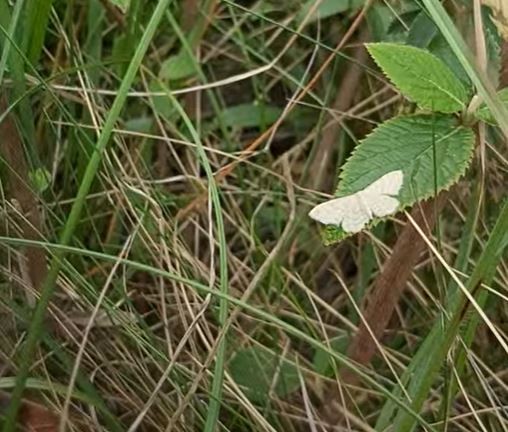 All three Bristol priority sites, Black Rocks, The Gully, and Walcombe Slade, recorded more moths than in 2024, as did the Somerset sites, Blockhouse Slope, Donkey Slide, and Quarry 3.
2025 was a strong year for the satellite sites on both sides of the river. On the Bristol side, all four surveyed sites recorded moths, with several reaching their highest numbers in years. Scrub encroachment is increasing across these slopes, and several areas are becoming difficult to access, which is an important consideration for both habitat and future survey work. On the Somerset side, two sites were surveyed with a good increase from 2024 after successful scrub-clearance work by the National Trust rangers.
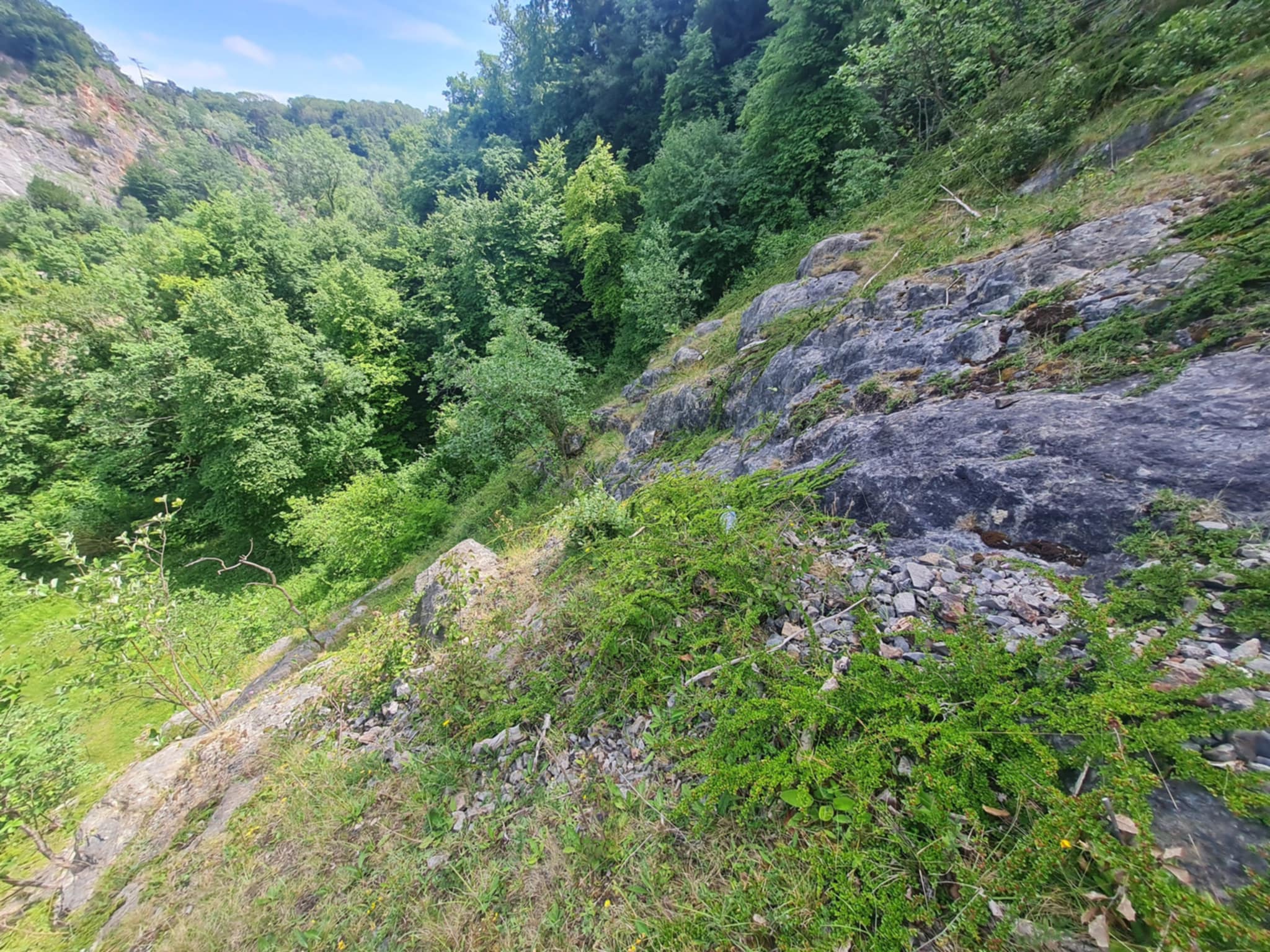 There are thought to be several factors that have driven this increase, including record-breaking weather in spring that likely boosted larval survival and adult emergence, effective habitat management, which included scrub clearance and the removal of invasive species, as well as natural population cycles. Silky wave moths experience natural fluctuations, meaning that some of this year’s increase may reflect cyclical change rather than a long-term change in direction.
Despite the positive overall numbers, strong intervention is still required at a number of sites. By targeting scrub clearance, as well as invasive species, we will be able to maintain the moth’s preferred habitat, which is open limestone grassland, to help futureproof the species.
 The 2025 silky wave survey paints an encouraging picture as the Avon Gorge population appears to be thriving under favourable conditions. However, much like the species, this success is fragile. Many sites face increasing scrub encroachment, invasive species pressures, or possible disturbance impacts. The results highlight the importance of consistent annual monitoring and habitat management, particularly as climate and land-use pressures continue to change. With continued restoration, careful management, and sustained monitoring, the Avon Gorge can remain a stronghold for one of Britain’s rarest moths.
Here at Bristol Zoological Society, we are incredibly grateful for the support from our generous donors. A special thanks goes to Marshfield Farm Ice Cream, a long-time partner who sponsors our native species projects.
Find out more about our wonderful UK conservation projects below.

Want to help us save wildlife?
Become a member today for a year of wild adventure, and help protect the animals and habitats you love by supporting our conservation charity.